Quick contacts
-
Indian pavilion shop no 113 Global village, Dubai
-
Monday: 13:00-18:00


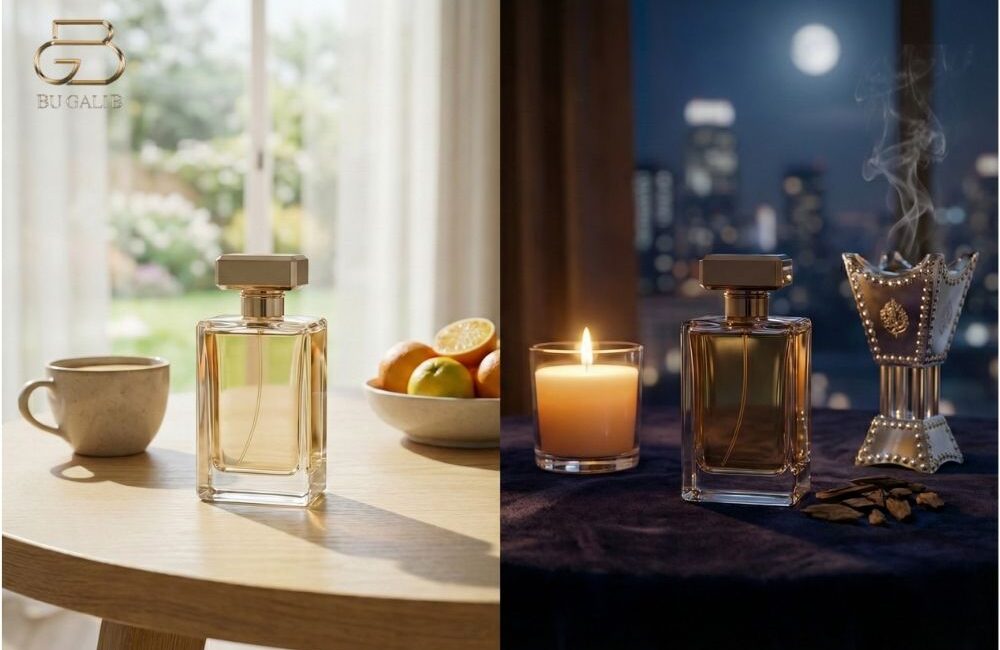
Oud perfume carries meaning. It signals mood and presence. Many people now own oud. Many still ask when to wear it. Day or night. This question matters today due to lifestyle changes. Work hours are flexible. Social settings are mixed. Oud is strong and valuable. Wearing it at the right time builds comfort and confidence. This will matter even more in coming years as oud use expands globally.
Oud comes from agarwood resin. Agarwood forms in Aquilaria trees after infection. This process is documented in forestry research. Agarwood trade is regulated by CITES. Oud contains heavy aromatic compounds. These compounds evaporate slowly. This explains its depth and persistence. This difference affects when it feels appropriate.
Fragrance perception changes with time of day. Body temperature shifts. Activity level changes. Social distance varies. These factors affect scent strength. Fragrance science confirms that heat increases diffusion. Oud reacts strongly to these changes. Timing helps control impact. This reduces discomfort for the wearer and others.
Daytime environments are active. People move often. Spaces are shared closely. Strong scent can feel heavy. Lighter oud styles suit daytime better. This includes diluted blends or sprays. These options release scent gradually. There is no official regulation defining day use. This guidance is based on verified fragrance behavior principles.
Day friendly oud focuses on balance. Clean wood profiles work well. Light floral blends soften intensity. These styles are recognized in perfumery education materials. They feel calm and grounded. They do not dominate space. This suits work and travel settings.
Heat increases evaporation rate. This is a physical property of volatile compounds. This is confirmed in chemistry references. Oud may project more in heat. Daytime in warm climates requires caution. Smaller application helps. Cooler climates allow more flexibility.
Workplaces have scent sensitivities. Some regions have fragrance guidelines. These guidelines vary by country and employer. There is no universal law banning perfume. Respect and moderation are encouraged. Oud oils may feel too strong indoors. Lighter formulations reduce risk.
Night settings allow more freedom. Social distance increases. Lighting is softer. Body temperature stabilizes. Oud feels richer at night. This aligns with cultural fragrance traditions. Historical records show oud used in evening gatherings. This context supports night wear.
Night reduces sensory overload. Smell becomes more noticeable. Oud unfolds slowly. This matches relaxed pace. Fragrance training resources note base notes shine later. Oud is a base note. This explains night suitability.
Darker oud profiles suit evening wear. Smoke and leather notes add depth. Pure oud oil is often used at night. These practices are documented in traditional Middle Eastern perfumery. Stronger projection feels acceptable in social settings.
Events vary by formality. Weddings allow richer scent. Dinners allow moderate scent. Small gatherings require restraint. There are no official rules. Social comfort guides choice. Testing before events helps avoid excess.
Culture shapes fragrance norms. Middle Eastern cultures accept oud throughout the day. Western cultures prefer lighter daytime scents. This trend is noted in global fragrance market studies. Personal comfort remains key. There is no universal standard.
Oud is unisex. This is recognized by modern perfumery standards. Timing is not gender based. Personality and setting matter more. Marketing labels do not define use.
Concentration affects impact. Oil based attars are strongest. Alcohol sprays are lighter. These categories are defined in cosmetic formulation standards. Stronger forms suit night. Lighter forms suit day. Exact longevity varies.
Application method controls strength. Pulse points increase diffusion. Clothing extends scent life. This behavior is explained in fragrance training. Day use benefits from minimal application. Night use allows more flexibility.
Some people have fragrance sensitivity. There are cosmetic safety regulations. Ingredient restrictions are set by IFRA. These rules change over time. Users should check compliance. Timing does not change safety but affects comfort.
Many believe oud is only for night. This is not confirmed by any authority. Oud can be worn anytime. Style and amount matter more. Marketing often exaggerates rules. Verified sources support flexibility.
Oud demand is rising. Sustainability rules are tightening. Synthetic oud use is increasing. This is acknowledged by industry disclosures. Lighter formulations may grow. Daytime oud use may expand. Regulation may evolve.
There is no fixed rule for day or night oud use. Science explains how oud behaves. Culture explains how it feels. Day use requires restraint. Night use allows depth. Style and concentration guide choice. Verified sources support principles not strict rules. Confidence comes from understanding. The right timing makes oud enjoyable and respectful.

It is a long established fact that a reader will be distracted